Category Archives: History

Pearl Harbor 75th Anniversary Commemoration
With 2016 being the 75th anniversary of the Pearl Harbor attack and the United States’ official entry into World War Two, the various commemorations around the country are even more significant. I had the priviledge of attending the Pearl Harbor 75th Anniversary Commemoration at the National World War 2 Memorial in Washington D.C. Present were seven Pearl Harbor survivors along with many more WW2 veterans. The keynote speaker was Senator John McCain, whose father and grandfather both served during WW2. The Invocation was given by Rev. Richard Young who is a Pearl Harbor survivor who became a minister after his military service. Navy Chaplain, Commander Michael Pumphrey, CHC, prayed the closing prayer with significant emphasis added through the accompaniment of the U.S. Navy Ceremonial Band.
Here are a few pictures from the ceremony, with videos of Rev. Young’s and Chaplain Pumphrey’s prayers:

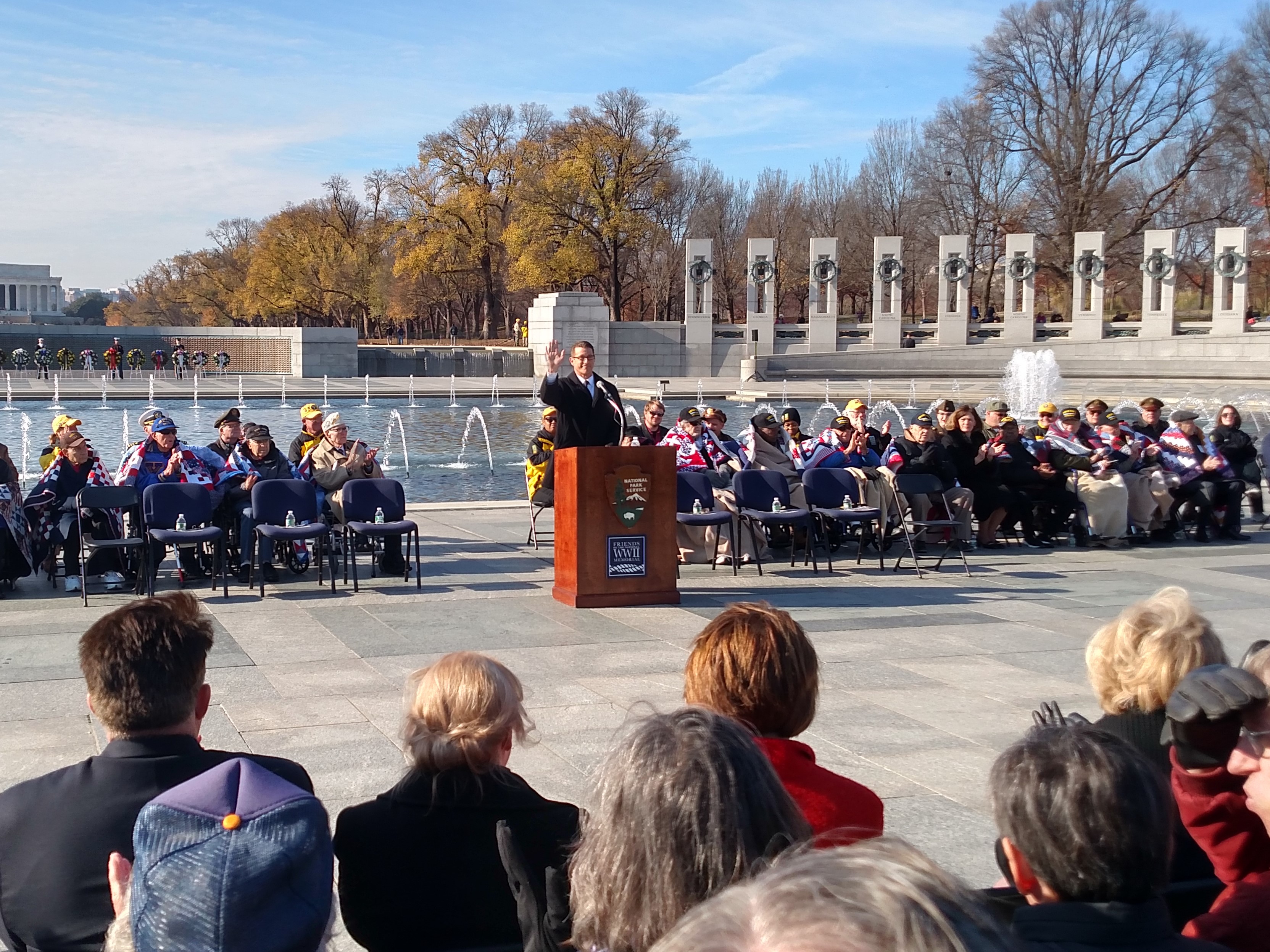
The Master of Ceremonies was Mike Hydeck, WUSA9 CBS Morning Anchor.
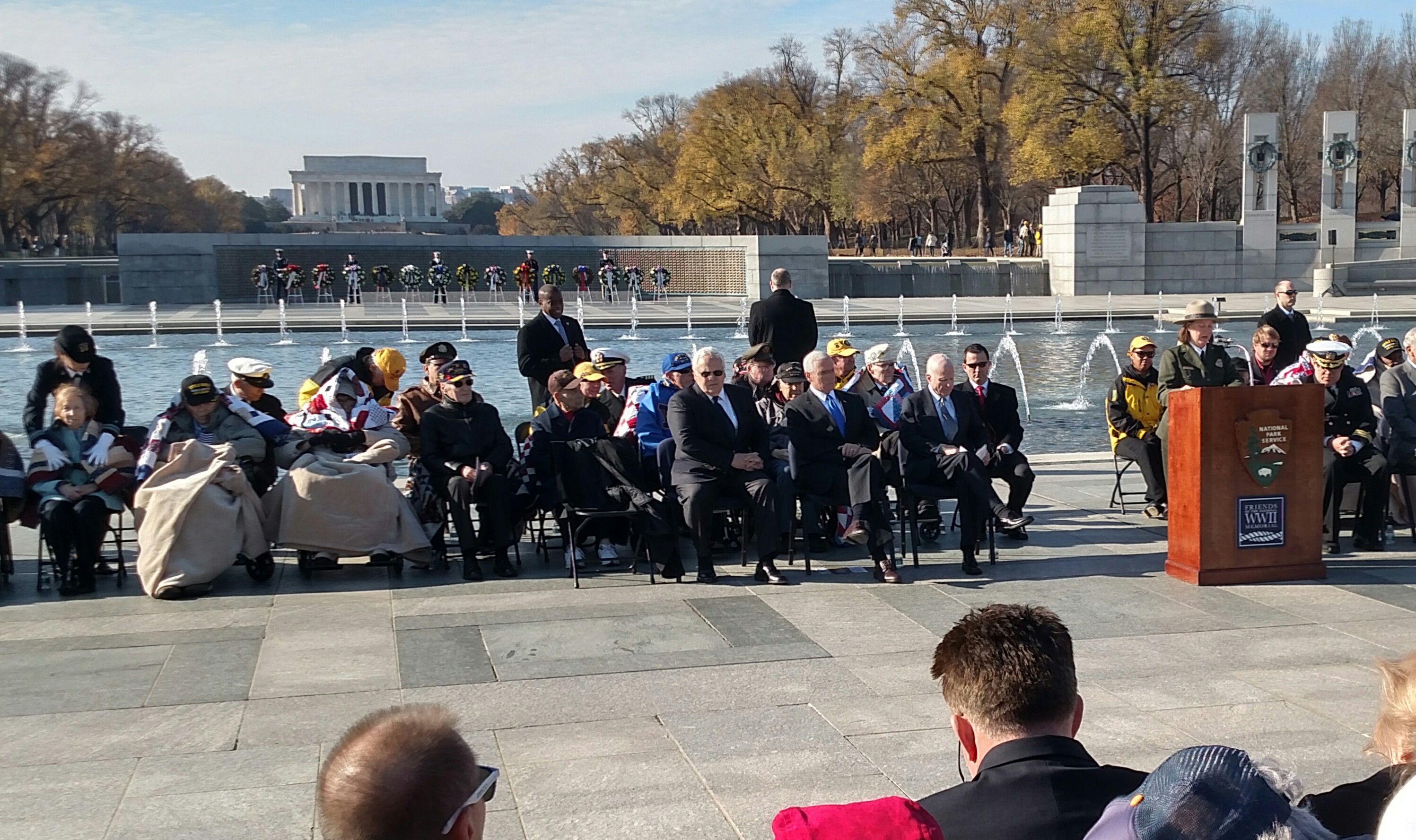
At the podium is Gay Vietzke, NPS Superintendent of the National Mall and Memorial Parks. Seated to the left is Senator McCain, Vice President-elect Mike Pence and Frederick Smith, founder and president of FedEx.
FDR’s great grandson, Elliott (Toby) Roosevelt III, read FDR’s statement to Congress on the day after the Pearl Harbor attack, and Eleanor Roosevelt’s message to the nation on the evening of the attack.
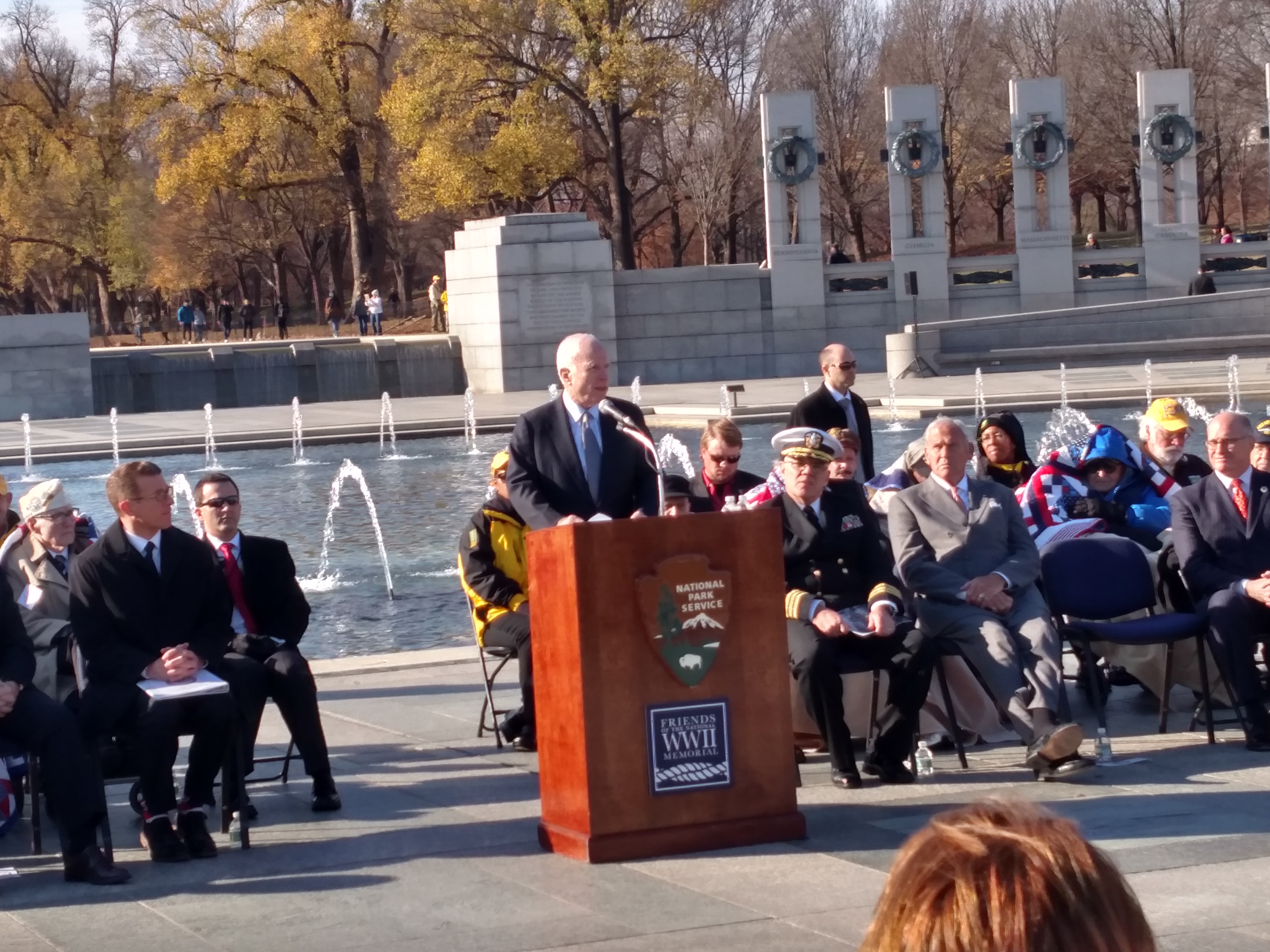
Senator John McCain was the Keynote speaker. Not only is McCain a Vietnam veteran and POW survivor but his father and grandfather both served during WW2 and both became flag officers.
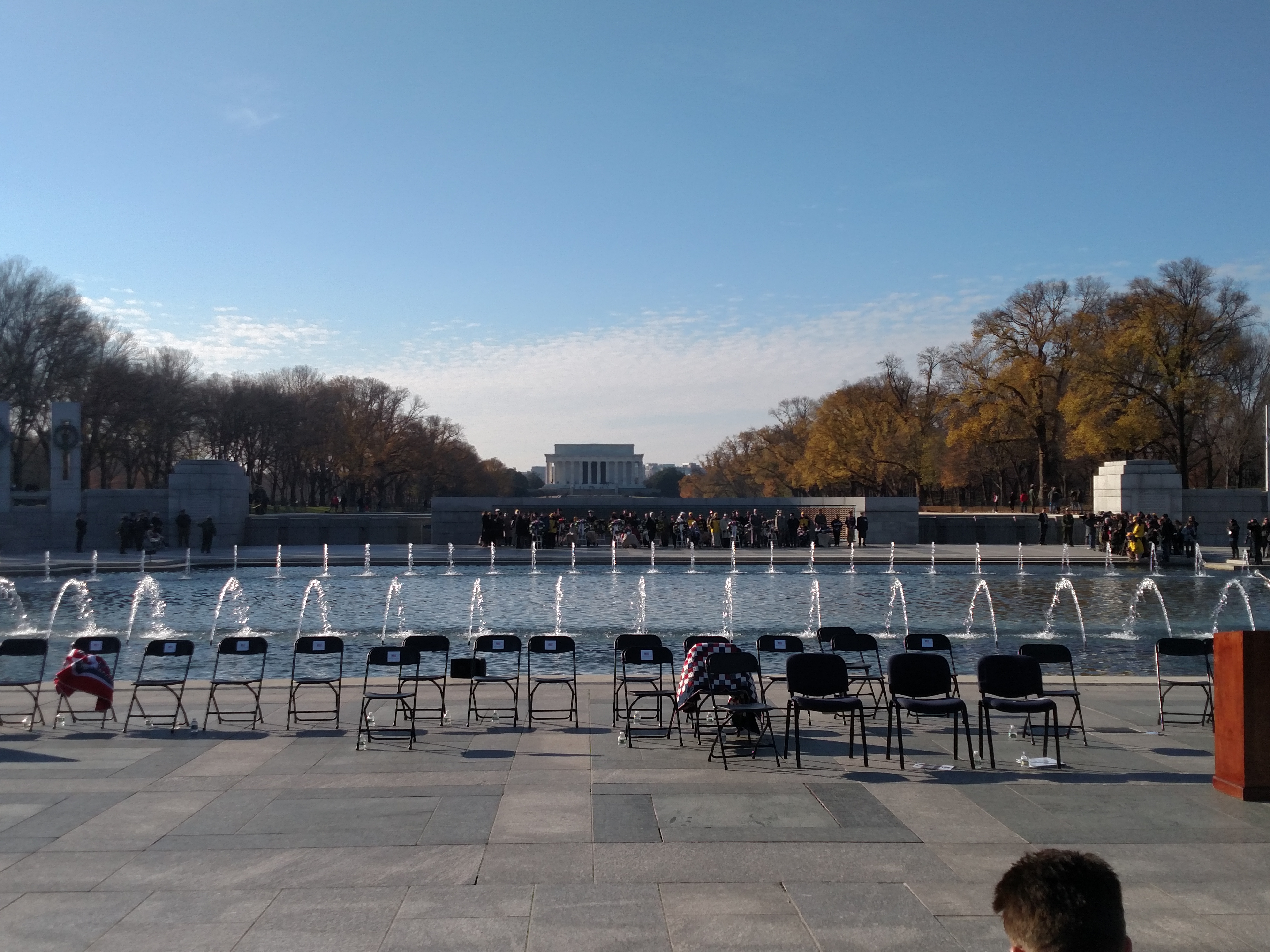
On the other side of the fountain, the dignitaries and veterans in attendance place wreaths at the Freedom Wall.
.
..
.
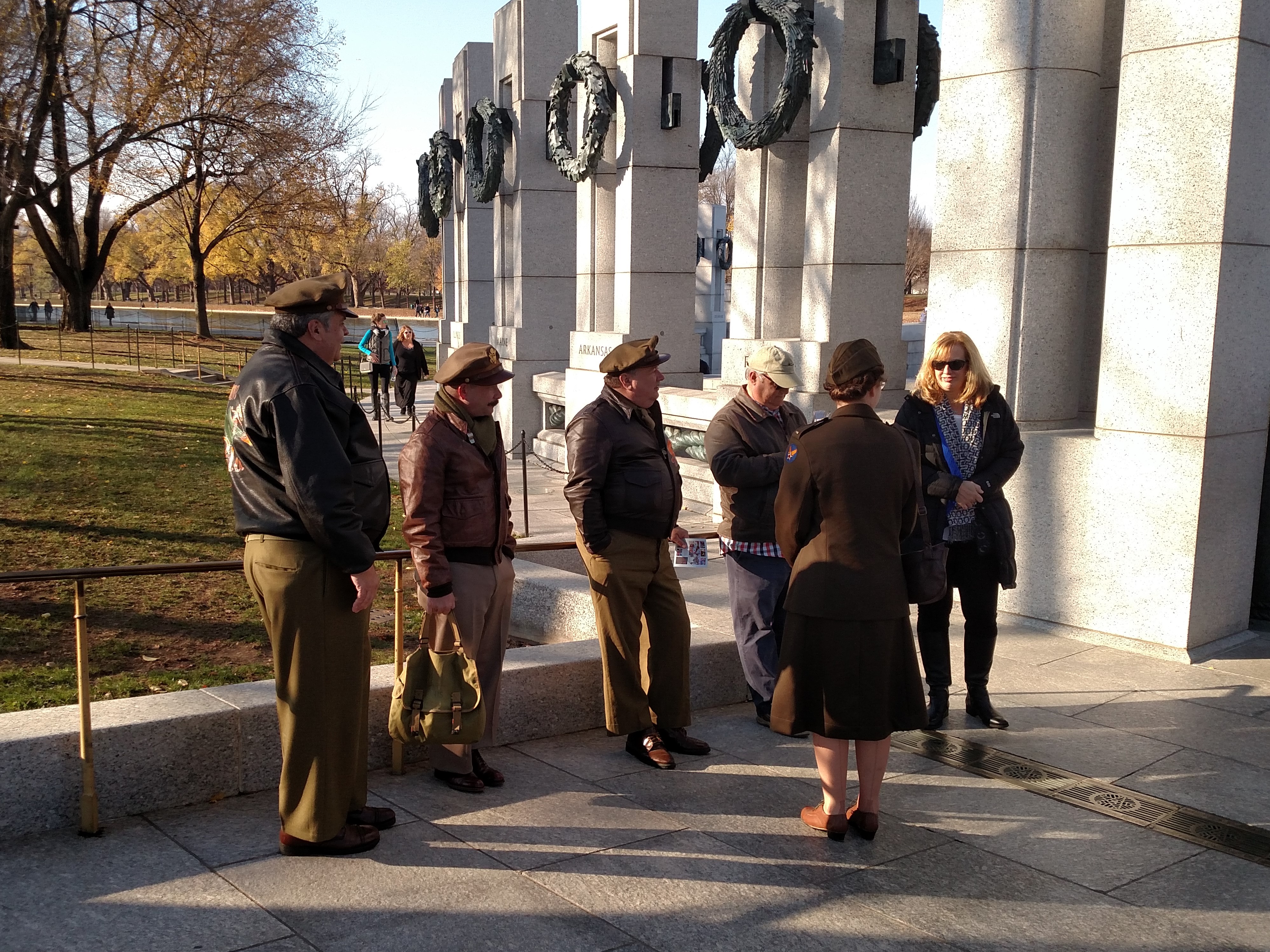
Volunteers of the NPS Living History program (dressed in period uniforms) escorted the WW2 vets into the ceremony.
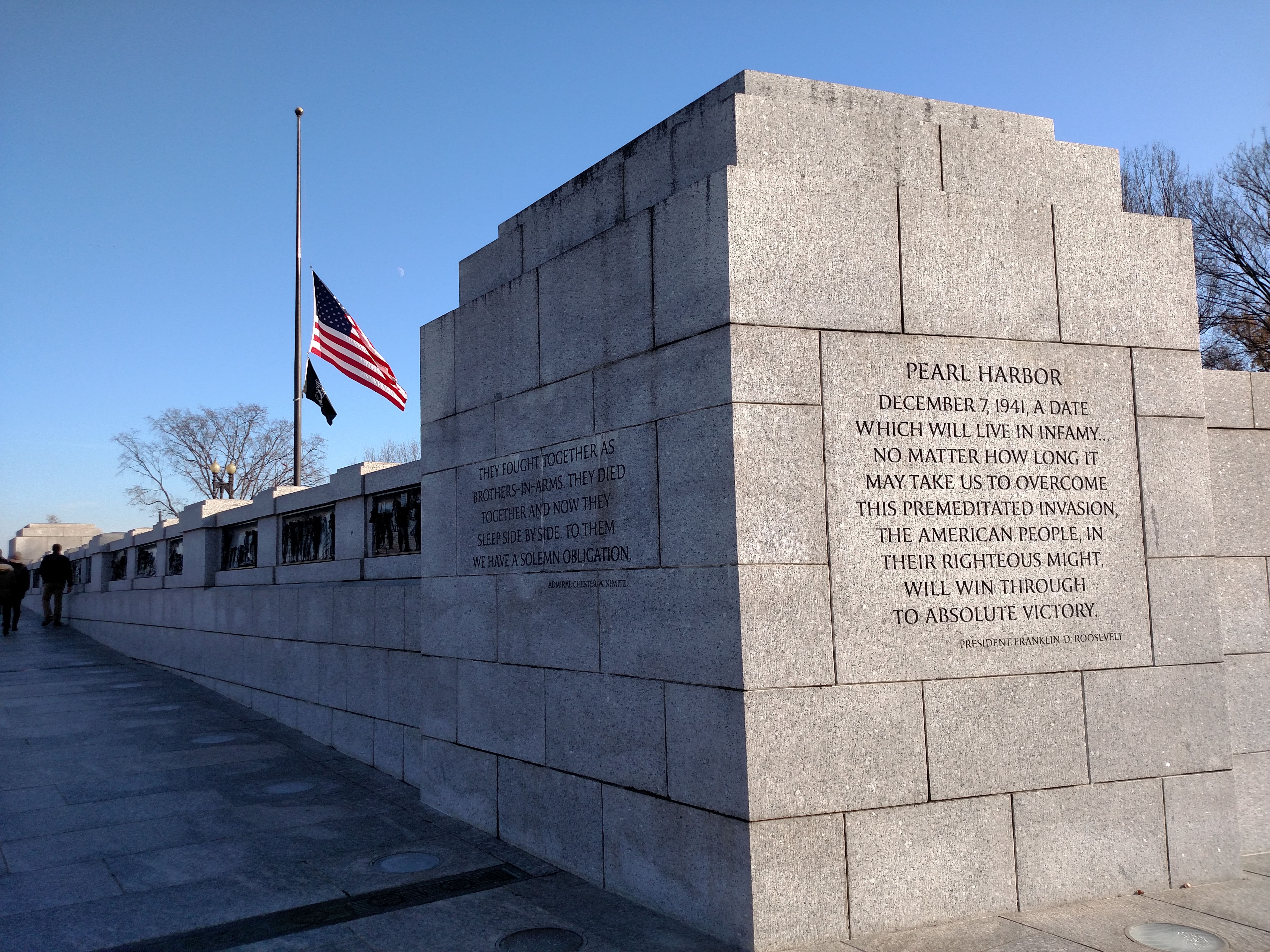
.
.
.

A Greeting From Your Chaplain
Published around World War Two, this brochure offers advice to Soldiers and Sailors, such as selecting companions carefully, living a morally clean life and establishing a reputation for good character. It was written by Chaplain Moehlmann, who according to the Wartburg College website, “… entered the Army chaplaincy in 1930 and was stationed in Hawaii at the time of the Pearl Harbor attack. He attained the rank of Colonel while supervising as many as 242 chaplains in the European Theater during World War II” (author’s collection).


.
.
.

Testament of His Profession
I’ve heard the expression “wearing your heart on your sleeve” but never “wearing your New Testament on your helmet”!
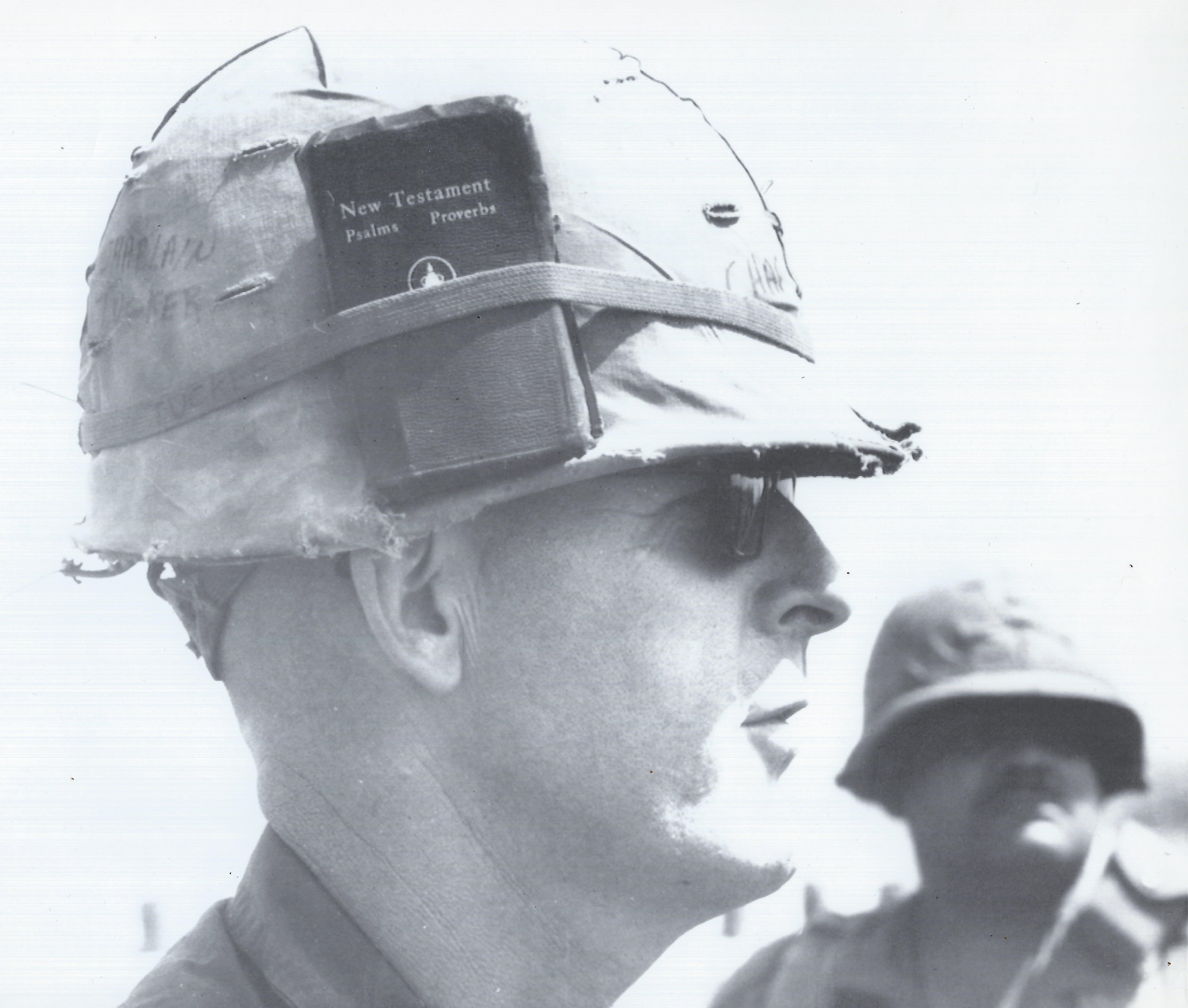
The caption on this press photo reads: “(NY3-March 5) TESTAMENT OF HIS PROFESSION–Chaplain Capt. Carter Tucker of Monticello, Ark., carried the New Testament in this fashion to prevent it from getting sweaty or wet as he accompanied U.S. infantrymen in War Zone C. The chaplain was with the U.S. 25th Infantry Division on Operation Junction City in South Vietnam near the Cambodian border last week. (AP Wirephoto) (pr10938str) 1967” (author’s collection).
.
.
.

Movie Review: Hacksaw Ridge*

Andrew Garfield as Desmond T. Doss in Hacksaw Ridge (courtesy hacksawridge.movie)
I have never been to a movie that the audience applauded for when it ended but I clapped along with the crowd after watching Hacksaw Ridge. This true story of Desmond T. Doss’ experience on Okinawa which earned him the Medal of Honor is nothing short of moving and inspirational and made me want to be a better Soldier and person.
The film begins when Doss was just a child growing up in Lynchburg, Virginia where his family experiences and religious convictions as a Seventh-Day Adventist made him a conscientious objector. Still wanting to be part of the military to do his share in defending freedom, he became a medic so that he could help to save lives instead of take them.
After a very tumultuous time at basic training where neither his company commander nor sergeant understood his unwillingness to even handle a weapon, his courage under fire and commitment to save lives, empowered by his faith in God, enabled Doss to save 75 Soldiers during some of the hottest fighting of the Battle of Okinawa.
While the characters at first ridiculed his faith and commitment to not killing, the movie itself showed respect for Doss’ religious commitment and relationship with God which culminated in his gaining the respect of his unit and earning a reputation for courage.
Hacksaw Ridge does not glorify war any more than it condemns it, though the combat action is realistic and at times disturbing.† If anything, it shows the horrors of combat which Doss was able to overcome in order to save the lives of both Americans and Japanese as an expression of his Christian faith. The boyish appearance of Andrew Garfield, who plays Doss, instead of being a distraction, contributes to portraying the innocence of Doss as a young Christian trying to understand his religious convictions while struggling with his repugnance of killing.
Hacksaw Ridge is a movie that people need to see regardless of their faith. It shows the power of conviction and the ability of the human spirit to overcome any number of fears and dangers to do what is right. For Christians, there is the added dimension of seeing how our faith in God and willingness to submit to Him can enable us to do more than what would normally be expected of anyone.
.
.
.
† Warning: If you are a combat veteran who suffers from Combat Stress, PTSD, Moral Injury, or other similar afflictions as a result of your experience in combat, many scenes in this movie may cause you difficulty and could trigger unwanted responses.
.
*Editor’s Note: This is the first movie review The Chaplain Kit has published. While Hacksaw Ridge is not a movie about chaplains it nevertheless is a film that chaplains should see to better understand both their Soldiers who may struggle with killing and others who may not understand them. Additionally, Hacksaw Ridge could be a good movie to use with Soldiers for spiritual/professional development with guided discussion.
.
.

Chaplain Charles Watters, MOH Winner
On 19 November 1967 Chaplain Charles Watters was killed in action, selflessly serving Soldiers in Vietnam. He later posthumously received the Congressional Medal of Honor.
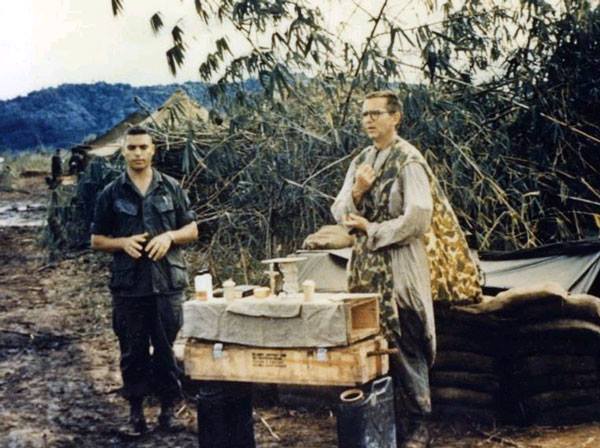
Chaplain (MAJ) Charles Watters conducting worship in Vietnam. Waters later died in the battle for Hill 875 at Dak To on November 19, 1967 (photo from U.S. Army Chaplain Corps Facebook page)
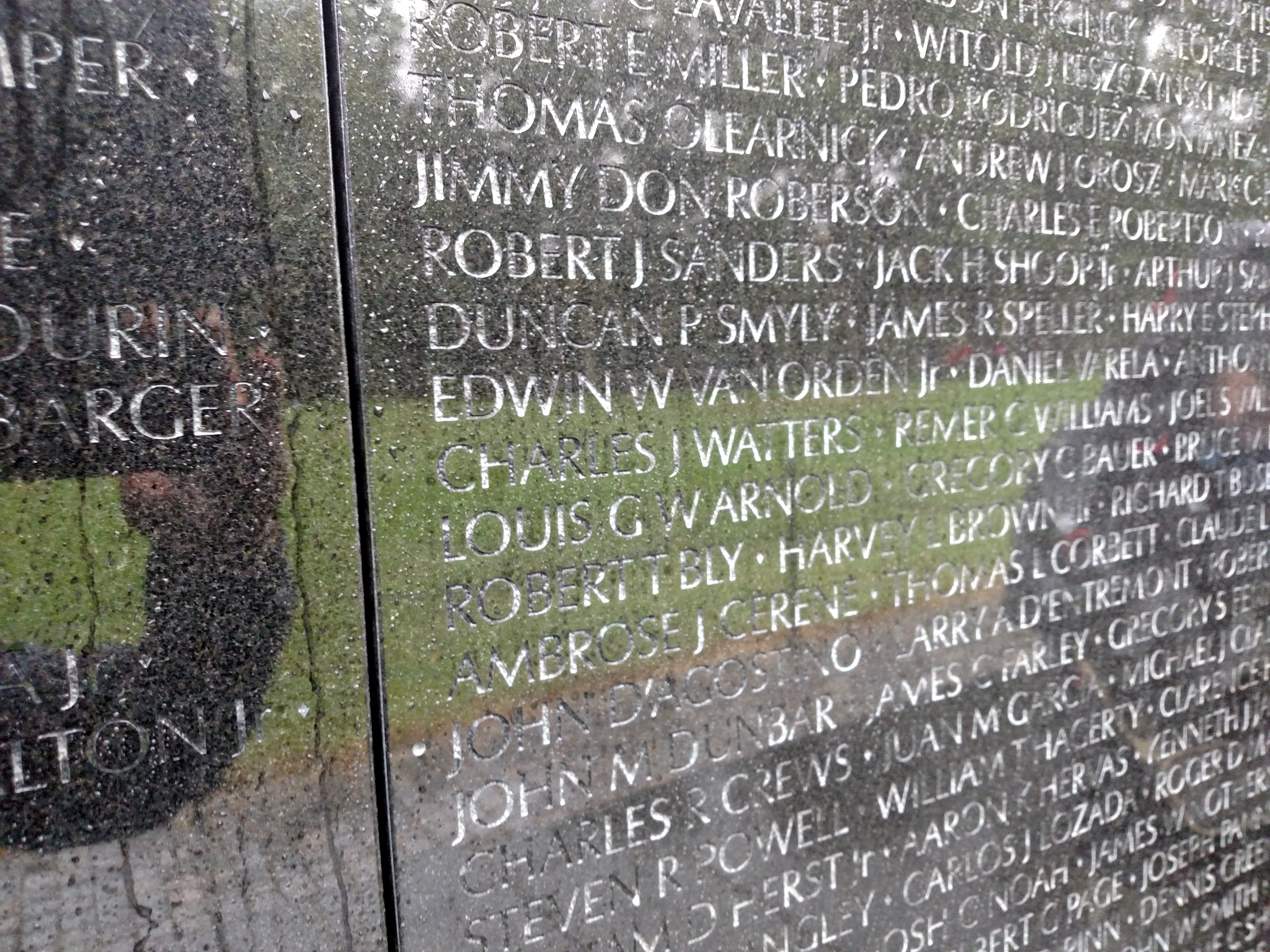
Chaplain Watters name on the Vietnam Memorial Wall (photo by author)
“Born in Jersey City, New Jersey, on 17 January 1927, Watters was ordained a Roman Catholic priest in 1953 and served in parishes in Jersey City, Rutherford, Cranford, and Paramus. In 1962, he became a chaplain in the New Jersey Air National Guard. In 1964, Watters entered the Army as a chaplain at Fort Dix, New Jersey.
“In July 1966, Chaplain Watters was assigned to the Republic of Vietnam and served with Company A, 173d Support Battalion, 173d Airborne Brigade. Although he was officially assigned to the 173d Support Battalion, Watters often accompanied the brigade’s line units into the field. In July 1967, after completing his twelve-month tour, he voluntarily extended his tour by another six months.
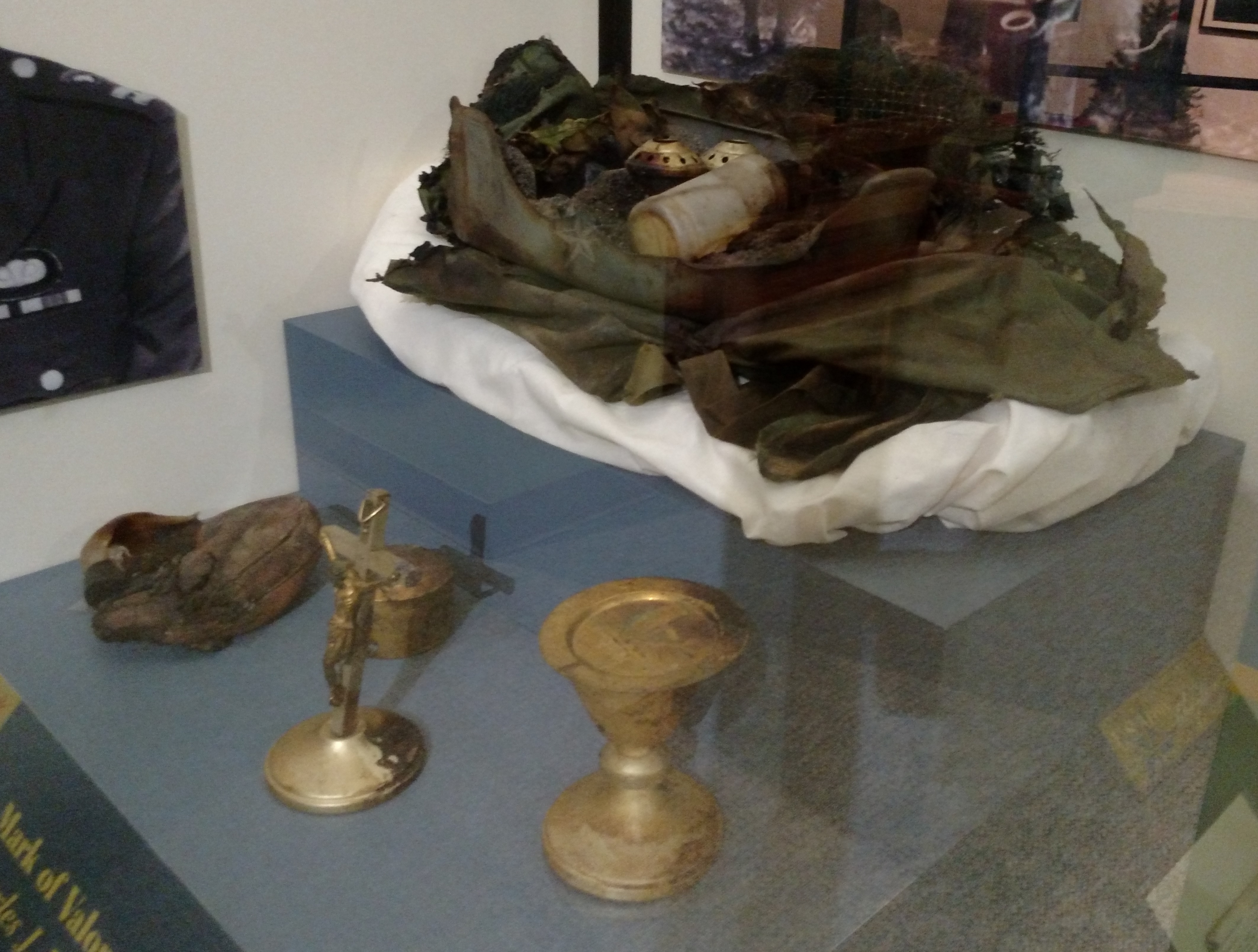
Chaplain Watters chaplain kit, destroyed during an attack in Vietnam. It is now on display at the U.S. Army Chaplain Museum (photo by author)
“In November 1967, Chaplain Watters was with 2d Battalion, 503d Infantry, as the battalion took part in the bloody fighting for Hill 875 around Dak To. For Watters, the culmination of the battle came on 19 November. During that day, an intense fire fight broke out with the enemy forces. Without thinking of his own safety, Watters began to rush out on the battle field to help collect the dying and wounded and bring them to safety. Completely exposed, Chaplain Watters administered the Sacrament of Last Rites to his dying men. Every time his unit began to charge the front line, Watters was ahead picking up the wounded and administering the sacraments to those who had fallen. He also helped carry others to safety, including a paratrooper who was in shock and unable to move from his exposed position.

Chaplain Watters grave in Arlington National Cemetery (photo by author)
“After hours of intense fighting and with the perimeter of the battlefield in a state of constant confusion, Chaplain Watters continued to maintain his composure in a time of severe crisis. For hours after the initial fighting, he kept venturing out between friendly and enemy lines picking up the wounded, providing the exhausted soldiers with food and water, administering the sacraments, and helping the medics give aid to the wounded. There were even efforts to try to restrain Chaplain Watters from his heroic and courageous deeds because of his vulnerability to enemy and friendly fire. Sadly, Watters himself became a victim of the battle raging on Hill 875 and did not survive the day.”1
.
.
.
Here is the citation from his Medal of Honor award:
For conspicuous gallantry and intrepidity in action at the risk of his life above and beyond the call of duty. Chaplain Watters distinguished himself during an assault in the vicinity of Dak To. Chaplain Watters was moving with one of the companies when it engaged a heavily armed enemy battalion. As the battle raged and the casualties mounted, Chaplain Watters, with complete disregard for his safety, rushed forward to the line of contact. Unarmed and completely exposed, he moved among, as well as in front of the advancing troops, giving aid to the wounded, assisting in their evacuation, giving words of encouragement, and administering the last rites to the dying. When a wounded paratrooper was standing in shock in front of the assaulting forces, Chaplain Watters ran forward, picked the man up on his shoulders and carried him to safety. As the troopers battled to the first enemy entrenchment, Chaplain Watters ran through the intense enemy fire to the front of the entrenchment to aid a fallen comrade. A short time later, the paratroopers pulled back in preparation for a second assault. Chaplain Watters exposed himself to both friendly and enemy fire between the 2 forces in order to recover 2 wounded soldiers. Later, when the battalion was forced to pull back into a perimeter, Chaplain Watters noticed that several wounded soldiers were lying outside the newly formed perimeter. Without hesitation and ignoring attempts to restrain him, Chaplain Watters left the perimeter three times in the face of small arms, automatic weapons, and mortar fire to carry and to assist the injured troopers to safety. Satisfied that all of the wounded were inside the perimeter, he began aiding the medics–applying field bandages to open wounds, obtaining and serving food and water, giving spiritual and mental strength and comfort. During his ministering, he moved out to the perimeter from position to position redistributing food and water, and tending to the needs of his men. Chaplain Watters was giving aid to the wounded when he himself was mortally wounded. Chaplain Watters’ unyielding perseverance and selfless devotion to his comrades was in keeping with the highest traditions of the U.S. Army.2
.
.
.
1 National Museum of the United States Army website.
2 Home of Heroes website.
.
.
.

“Chaplain, I Will Die Like a True and Loyal Soldier”
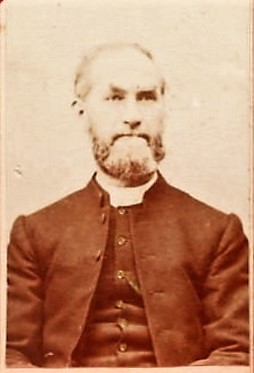
Chaplain Jacob Eaton, 7th Connecticut Volunteers
“After crossing the James, we ascended to the elevated plane which lies between this river and the Appomattox. This brought us upon the old familiar ground where we were encamped and fought last summer. The soldiers of the gallant 7th will long remember the “Bermuda Hundred Sin”. Here are sad reminders of our bloody struggles. Again I stood beside the graves of those noble men and valiant soldiers, Sergeants Nichols and Edwards. I was reminded of the last hours and last words of the kind-hearted heroic Edwards. I recalled and relived the bright but bloody morning when I entered the old log house, where he lay in one corned on a rude bunk, sinking slowly and surely into a soldier’s grave. He had only three months longer to serve. With bright hopes and fond anticipations he looked forward to the day when he would return to his happy home in New Haven-to his beloved wife and noble boy. And how anxiously the loved ones awaited his return. How many little things they did, how many preparations they made in view of the joyous meeting. He had been spared during nearly three long years of exposure, hardship and battle. Could he be taken now from all he loved on earth, from the wife and child who had so often prayed, so much longed for his safe return? Yes, for God’s ways are not always our ways. He does not afflict willingly, nor malignantly, but wisely, tenderly, for our profit. The sergeant did not expect to die when I entered the room where he lay. He was wounded the night before, and Dr. H. pronounced his wound “superficial” -not dangerous, not fatal. But the seal of death was stamped on his manly face. He had nearly reached the outer limit of life when I called.
“Wiping away the tears and repressing my emotion, I said calmly, “Sergeant, it is my painful duty to tell you that you are mortally wounded and must soon die.” His look of anxiety and disappointment I will not attempt to describe. “You will not let me die before I once more see my dear wife and beloved child! Oh, I cannot be denied this privilege, this blessing, “said the heroic sufferer. This cannot be, I replied, and as your spiritual friend and teacher I advise you to leave whatever messages you have for your wife and child, and make whatever arrangements you think necessary concerning your worldly interests. Then he was calm. He lift messages tender and expressive for those who were waiting his return. He gave directions for the disposal of his effects, and for the education of his little son. Then looking into my face, he said, with a calm, firm manly voice, “Chaplain, I will die like a true and loyal soldier.” I am glad to hear you speak thus, I said; but, sergeant, are you prepared to die like a true Christian? “I have thought much on that subject of late, Chaplain, and I do want to cast myself in humble, heart felt penitence upon the atoning merits and infinite mercy of Christ.” I prayed with him. He became calm, hopeful, happy in that Holy One, who, in the fullness and freeness of his love, forgave the dying penitent on the cross. Soon after came the death struggle, and the brave sergeant, the kind husband, the loving father died in my arms. Then we laid him to rest in the burial ground, where sleep many of is brave comrades. Oh, Virginia, your soil will be held as sacred in all time to come, for the hero and patriot dead who rest in thy bosom.”
.
.
.
From “A Chaplain’s Notes from TEF 24th Corps. Camp 7th Regiment, Conn. Vols., Dec. 24, 1864” which appeared in The Hartford Evening Press, 28 December 1864 (author’s collection).
The rest of the article written by Chaplain Eaton can be found at “A Chaplain’s Notes.”
Photo from WorthPoint.com
.
.
.

The Sin of Patriotism?
Most military members who I come across are patriotic, as are many people of faith. The chaplain usually embodies both of these. The below article is interesting because it addresses some of the complaints of patriotism while also being faithful to one’s religion.
.
The Sin of Patriotism?1
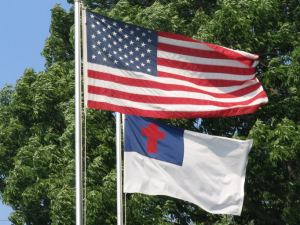 It’s the 4th of July, Independence Day for the United States of America. Here in Korea (where I currently live), you wouldn’t know it from any other day (unless, of course, you’re on a U.S. military installation). But with the benefit of the Internet, there’s no escaping it…though personally I wouldn’t want to. I celebrate with millions of other Americans our hard-won independence from Great Britain 240 years ago.
Much of what I’m seeing in my Facebook feed, however, is not a positive response to it being the 4th of July. I’m not judging, but from where I sit, many of those posters seem to be speaking from their holier-than-thou ivory towers to us lowly patriotic souls who are in need of their superior spiritual insight and understanding of the mind of God. Let me explain:
First, they condemn our fight for independence as contrary to the scriptural mandate to be obedient to the powers in place over us as being instituted by God. They view the situation on the American continent of the 18th century through 21st century glasses, presuming to understand the situation our political forefathers and mothers experienced better than those who were living it.
.
.
.
Originally published 3 July 2016 at Here I Sit
.
.

World War 2 Protestant Chaplains’ Retreat
Protestant Chaplains’ Retreat, Lorraine District, Jougne France, 6-10 August 1945
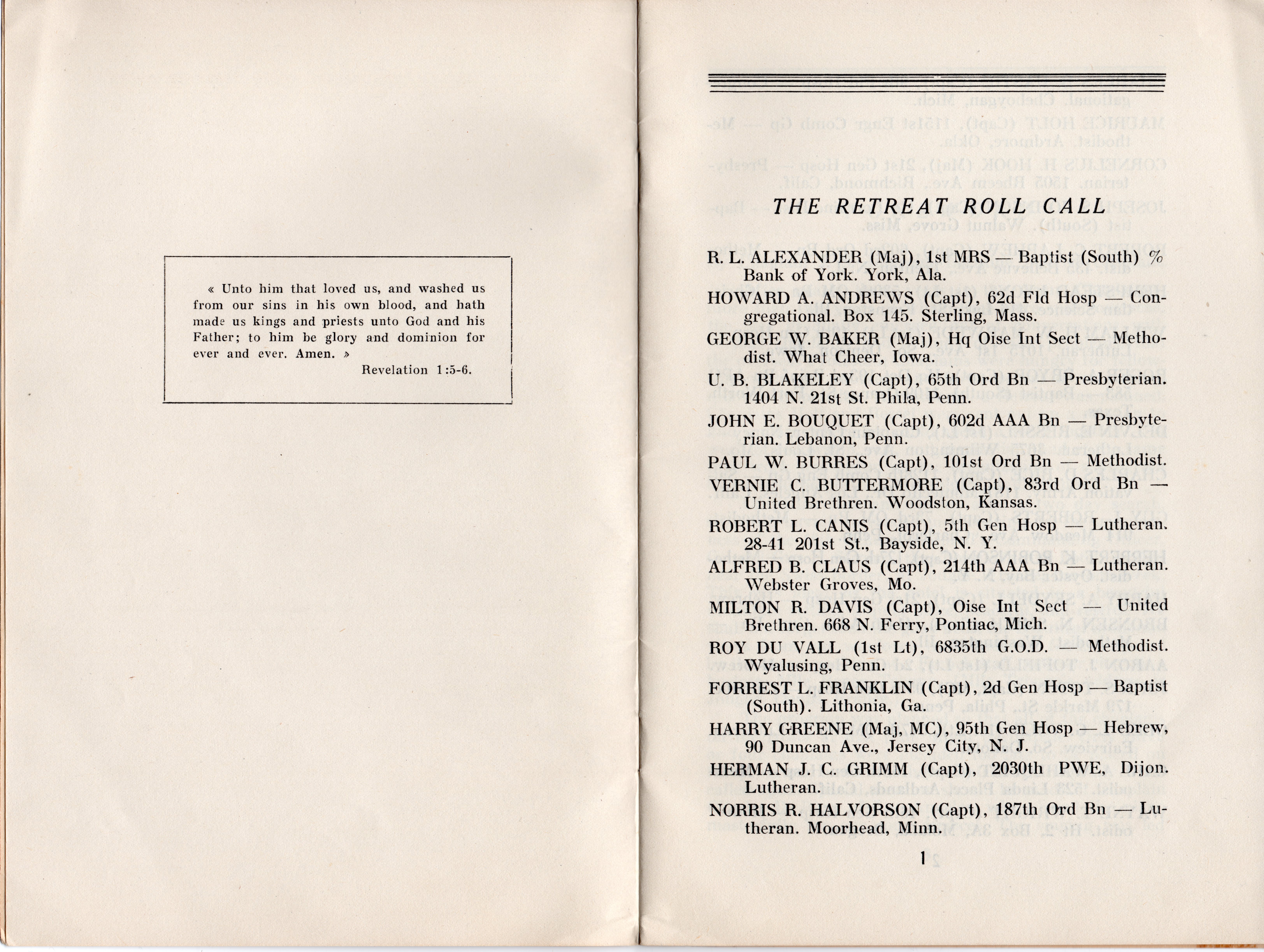
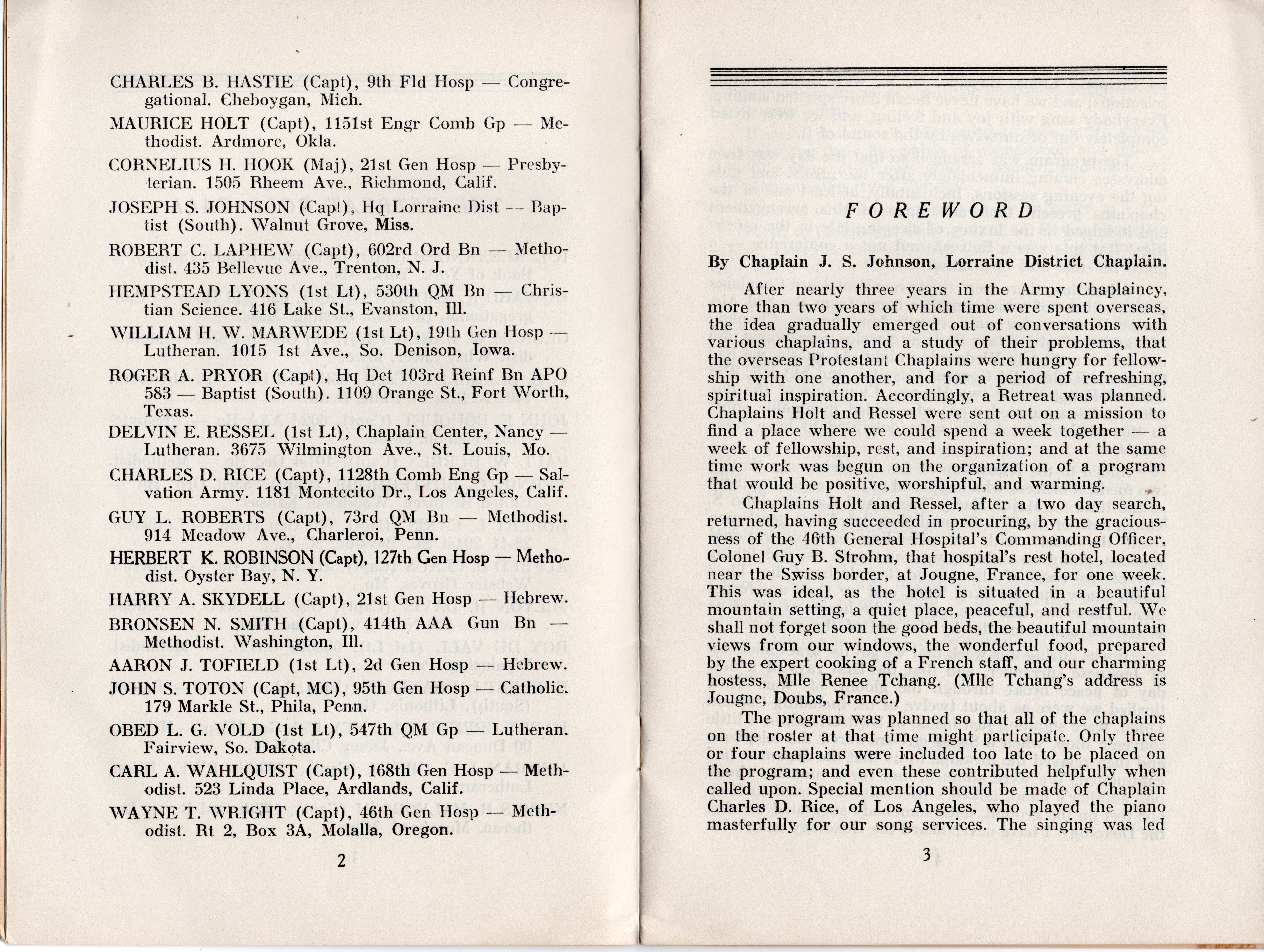
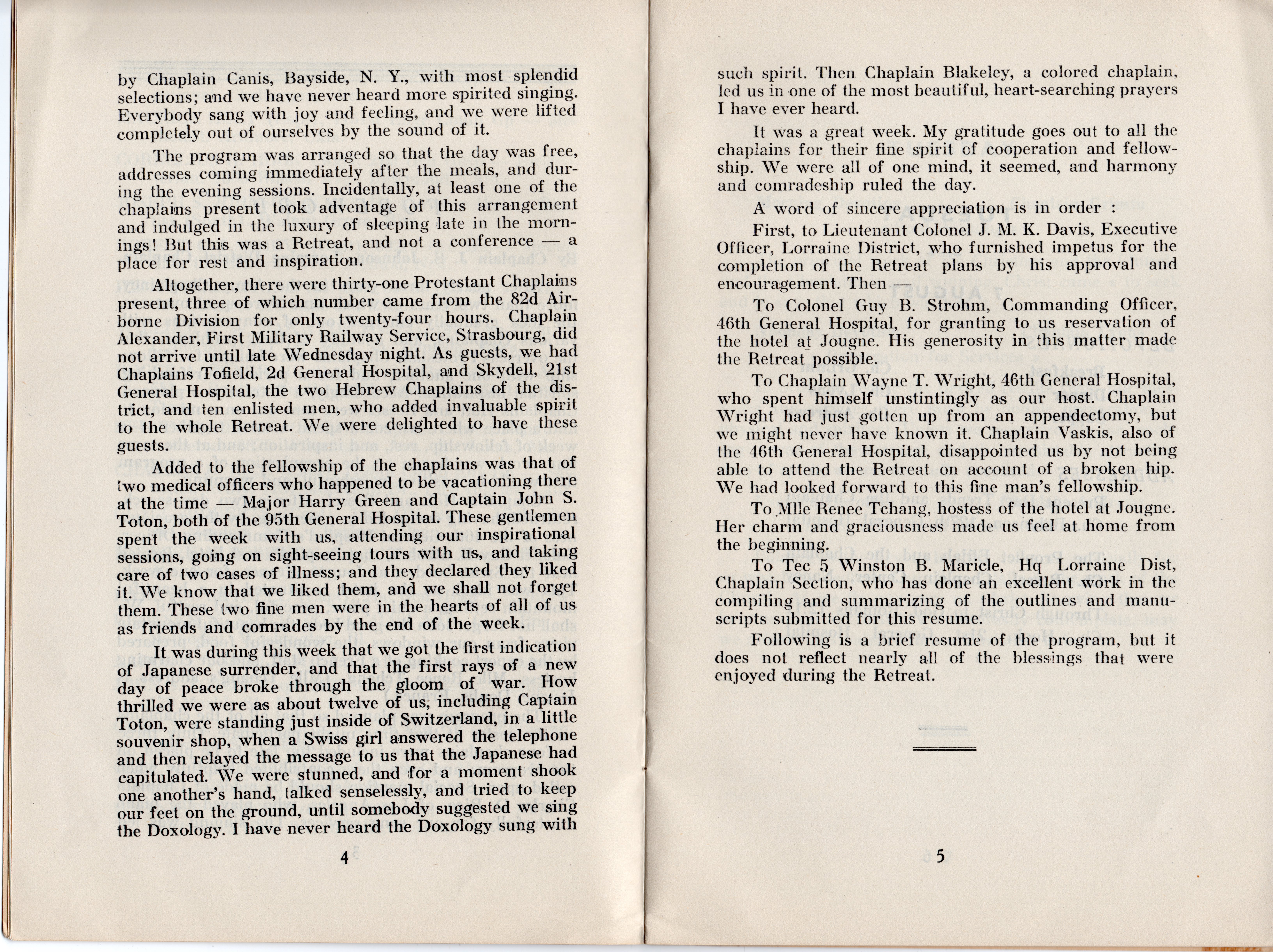
Following the end of the war in Europe, just as word was coming in about the Japanese surrender, Protestant Chaplains from the Lorraine District in France met for a time of fellowship, rest and relaxation, at the 46th General Hospital’s Retreat Center in Jougne, France on the Swiss border. Below is the booklet that was published following the retreat which has some of the remarks and devotionals given during the the chaplain’s time together.
Some interesting titles of the addresses are: Present Day Trends and the Chaplain; The Prophet Elijah and the Chaplain; Through Christ to God, Romans 12:11; The Chaplain and His Bible; The Prophet Amos and the Chaplain; He that Hath an Ear Let Him Hear; The Chaplain and the Soldier; Spiritual Hunger-Matthew 5:6; The Prophet Jeremiah and the Chaplain; The Chaplain, a Priest and a Prophet; and The Chaplain and the Future. All of the address weren’t recorded in detail, but many of the highlights are included and most are very interesting, as are the included devotional thoughts.
.

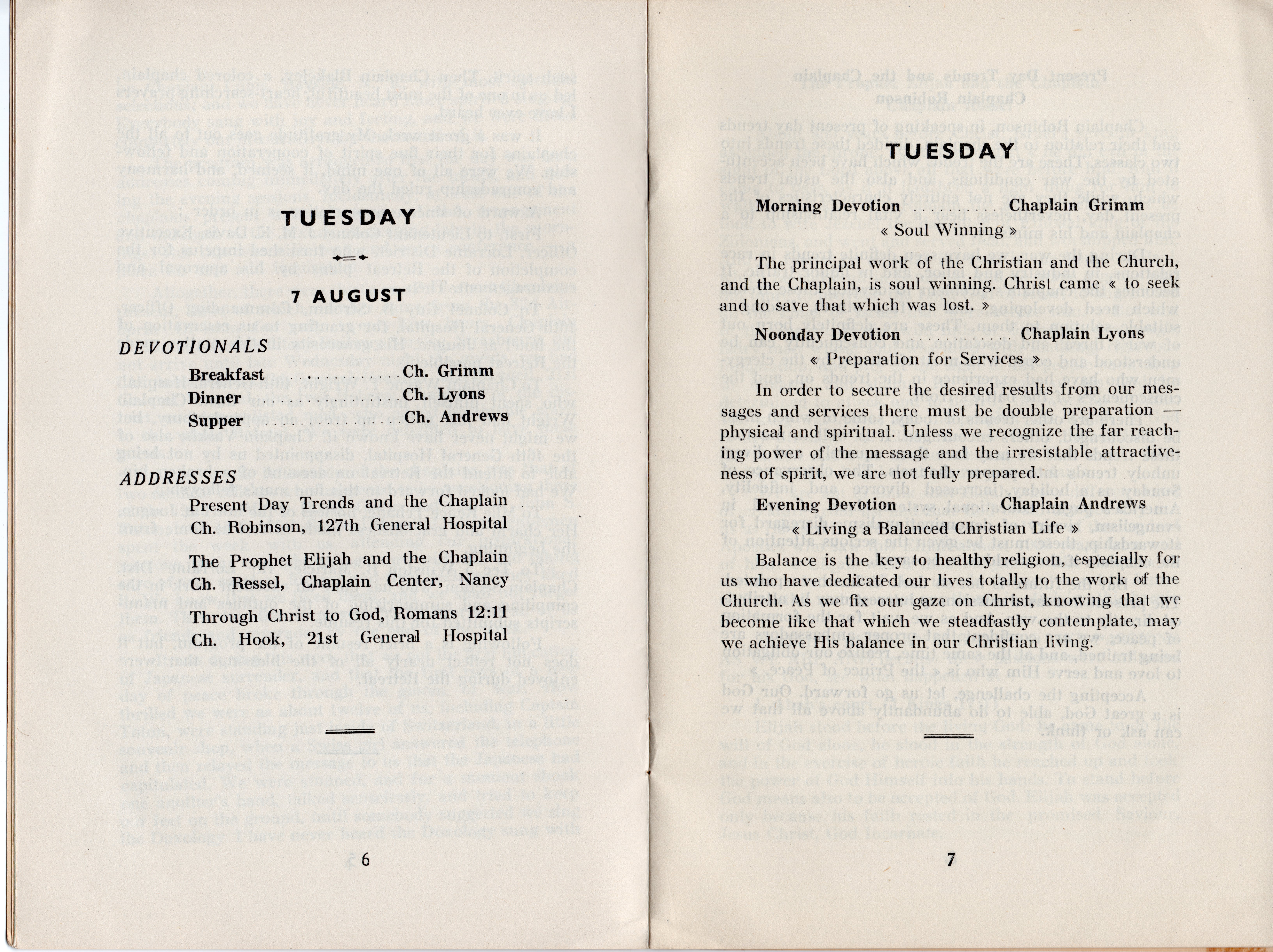
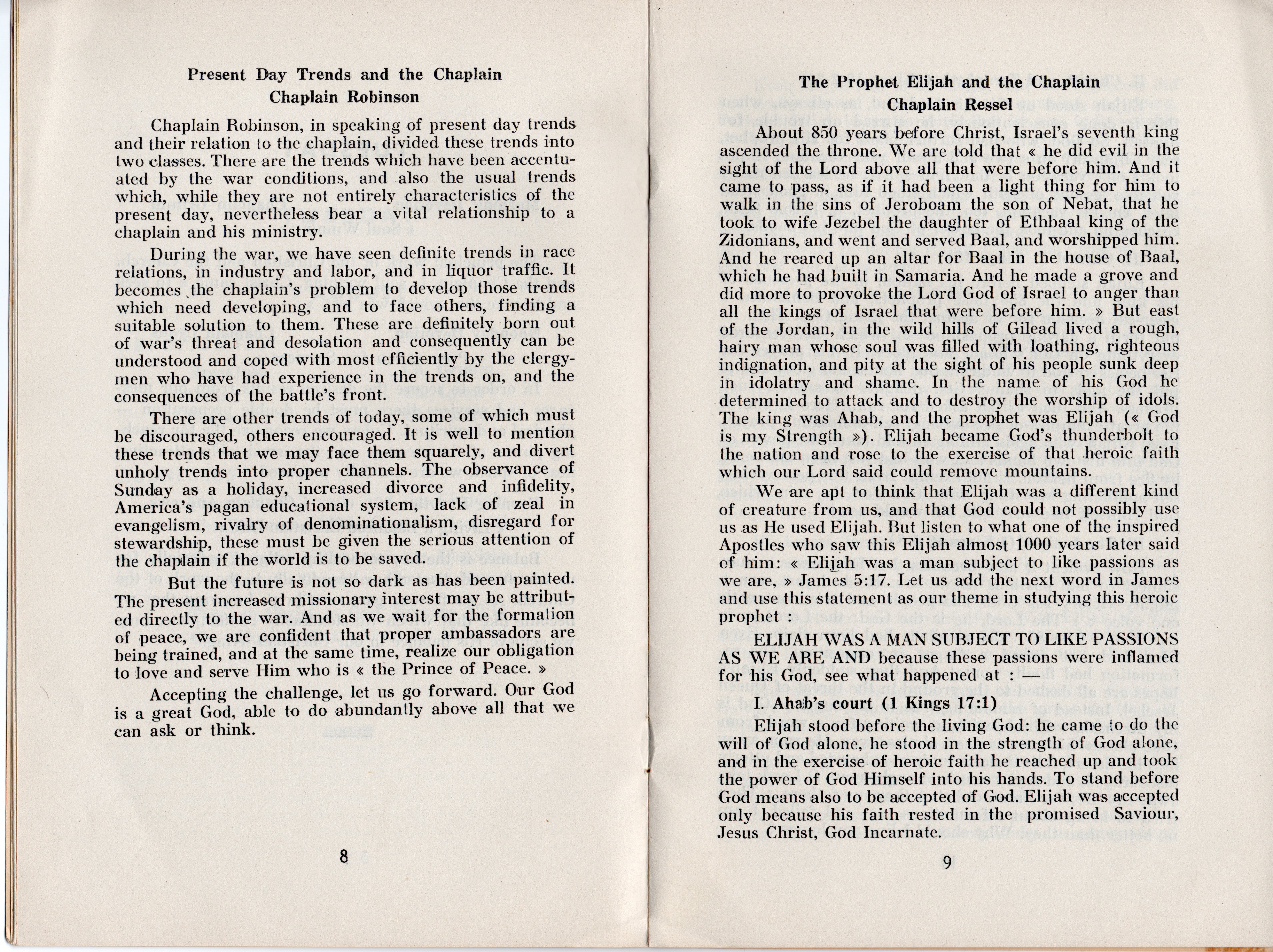
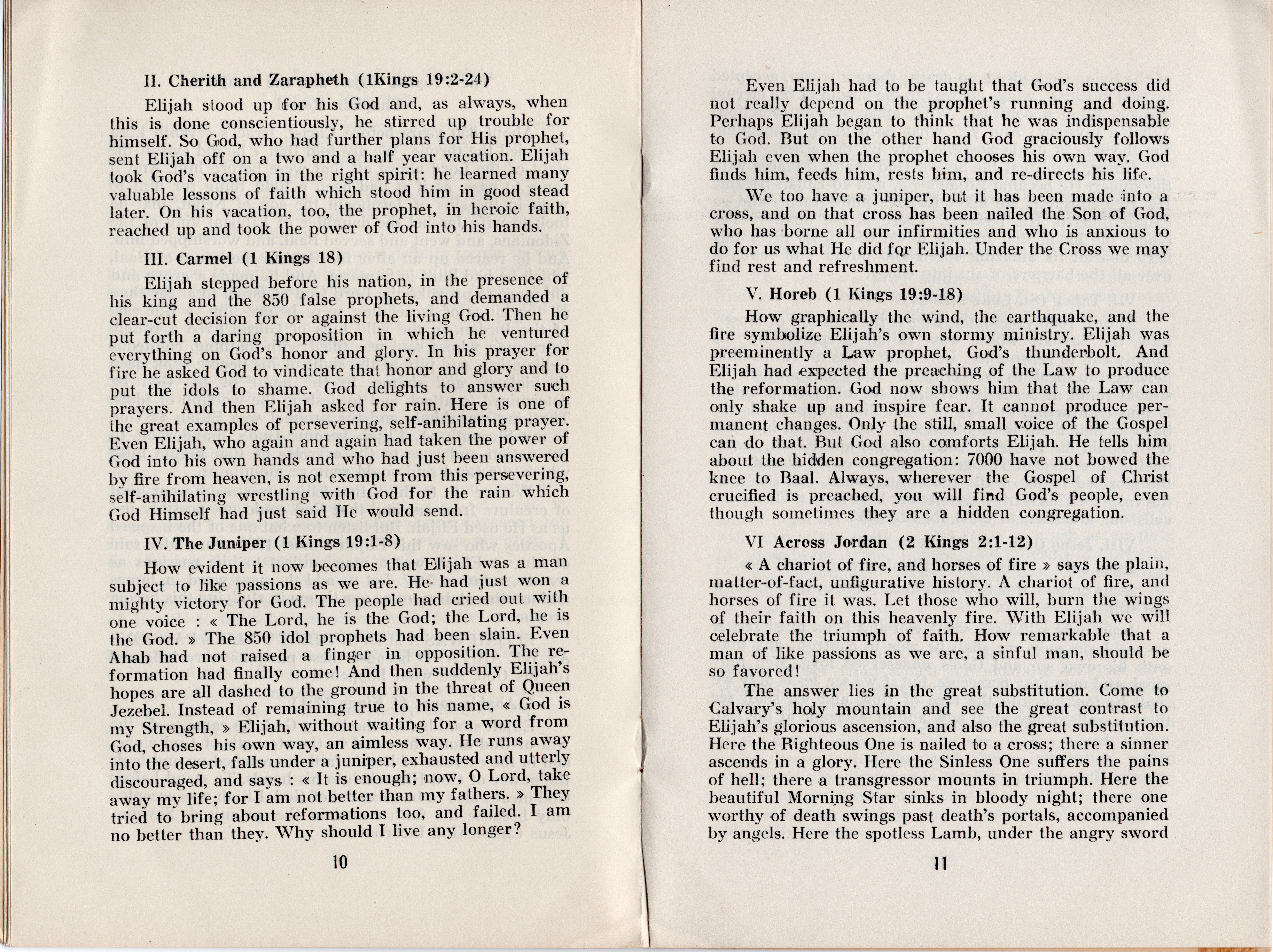
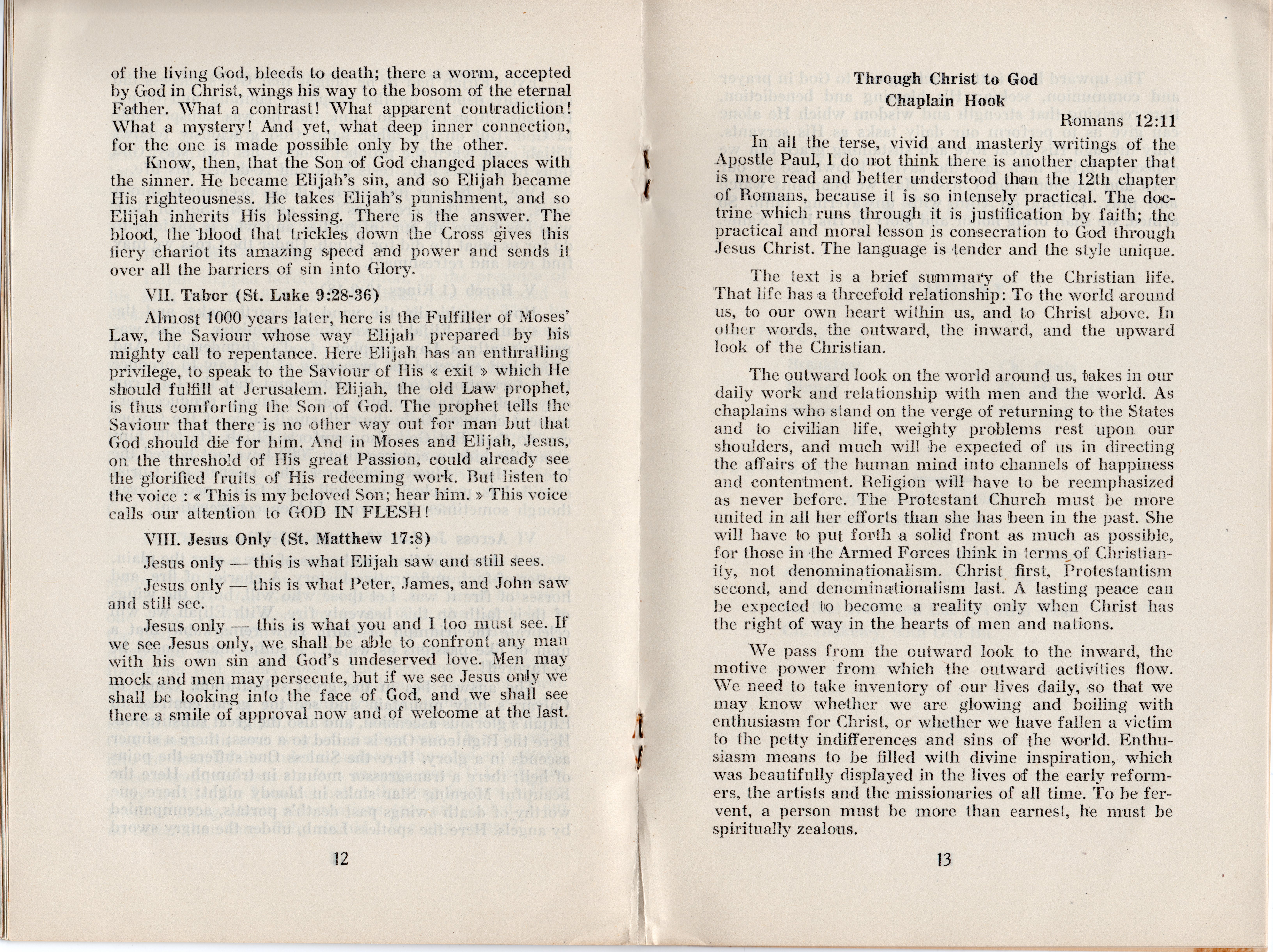
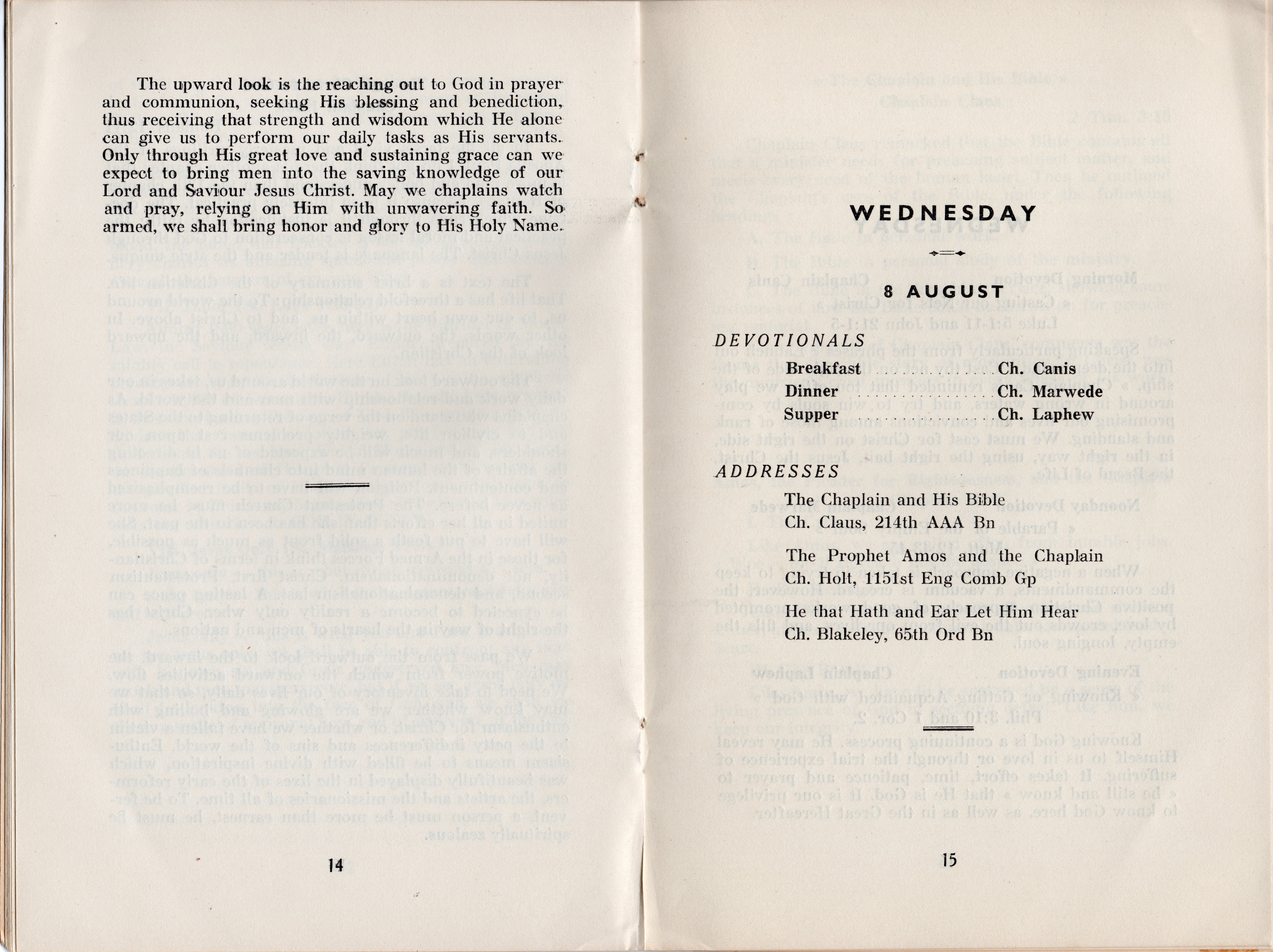
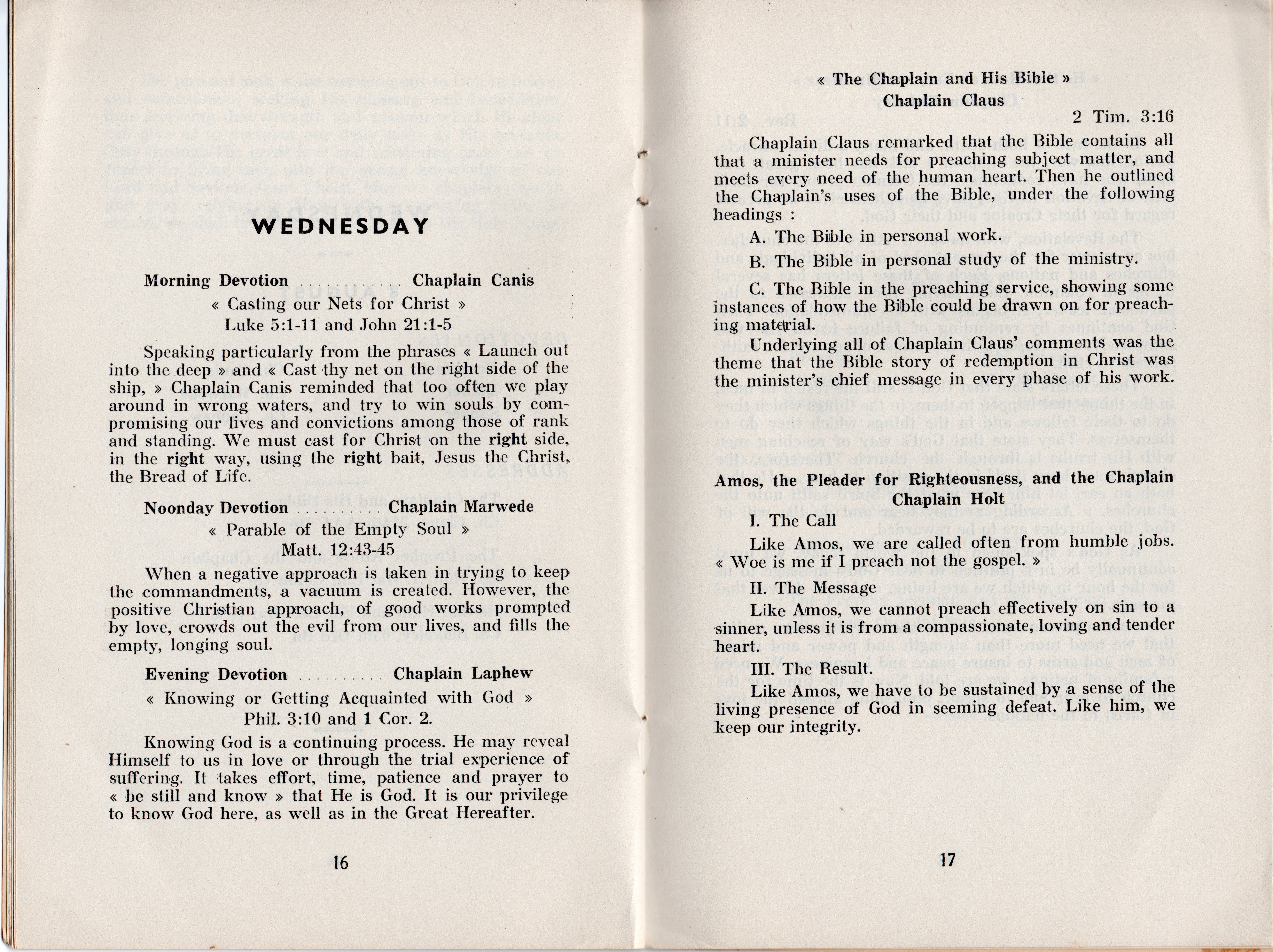

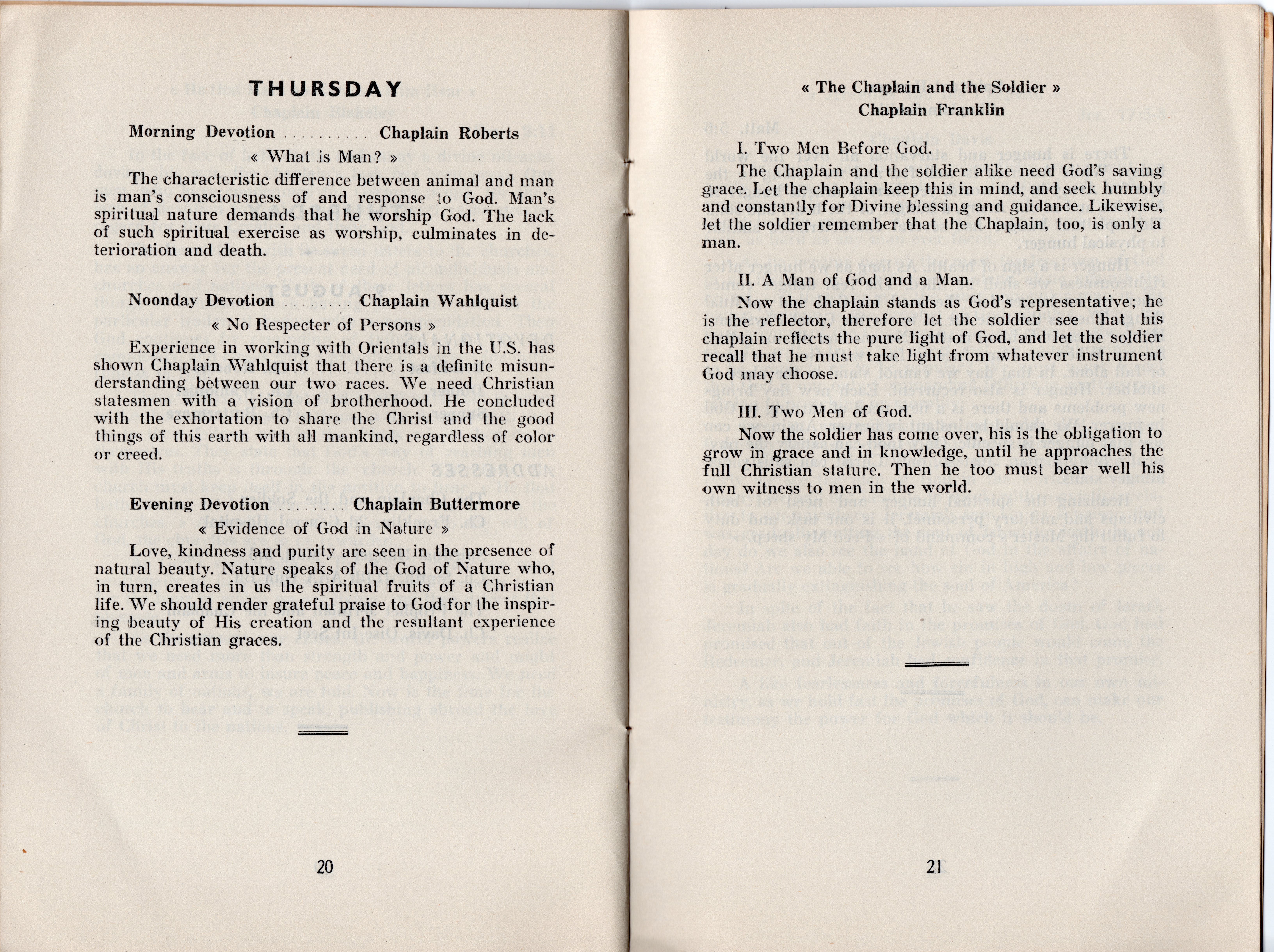
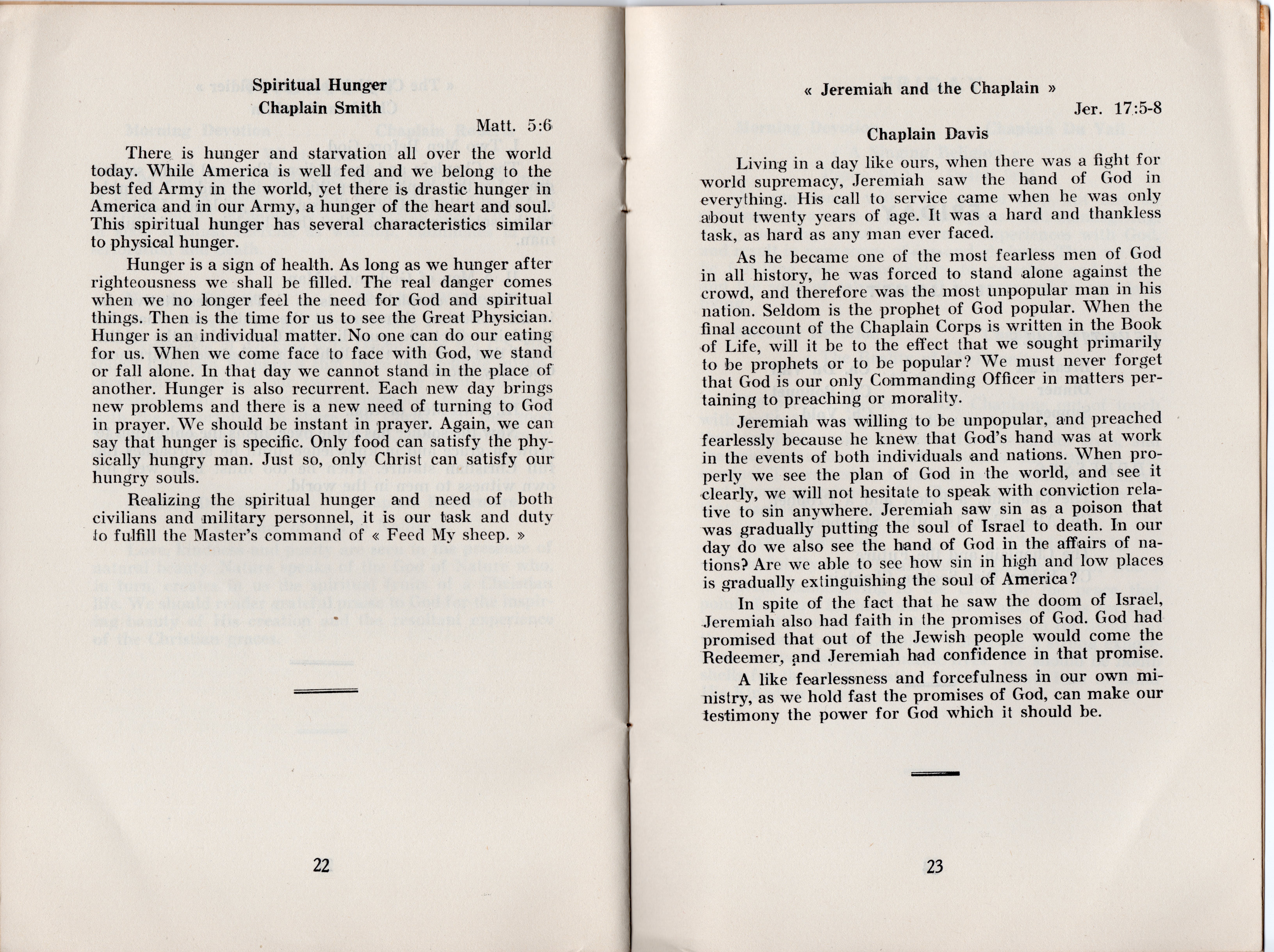
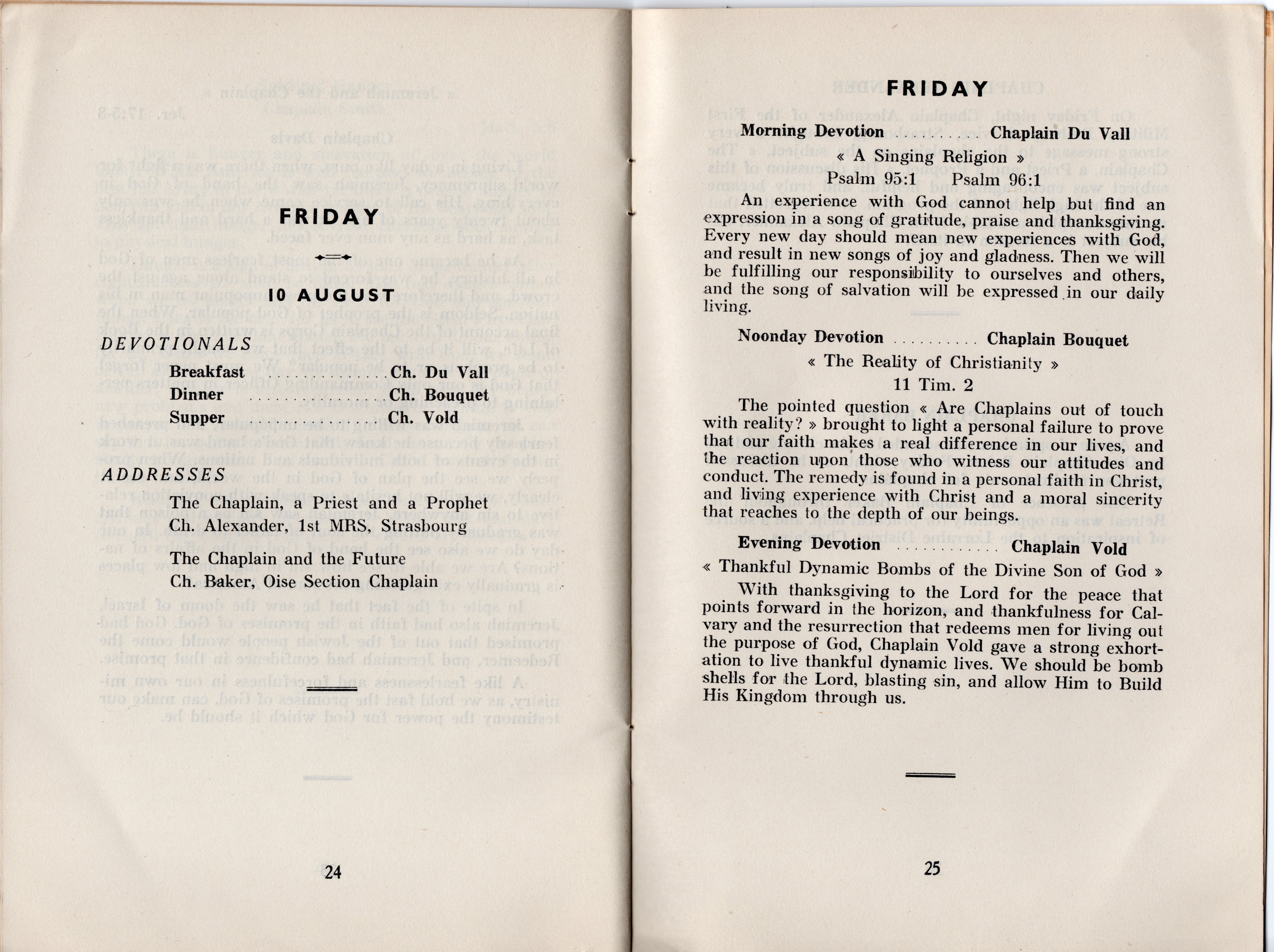
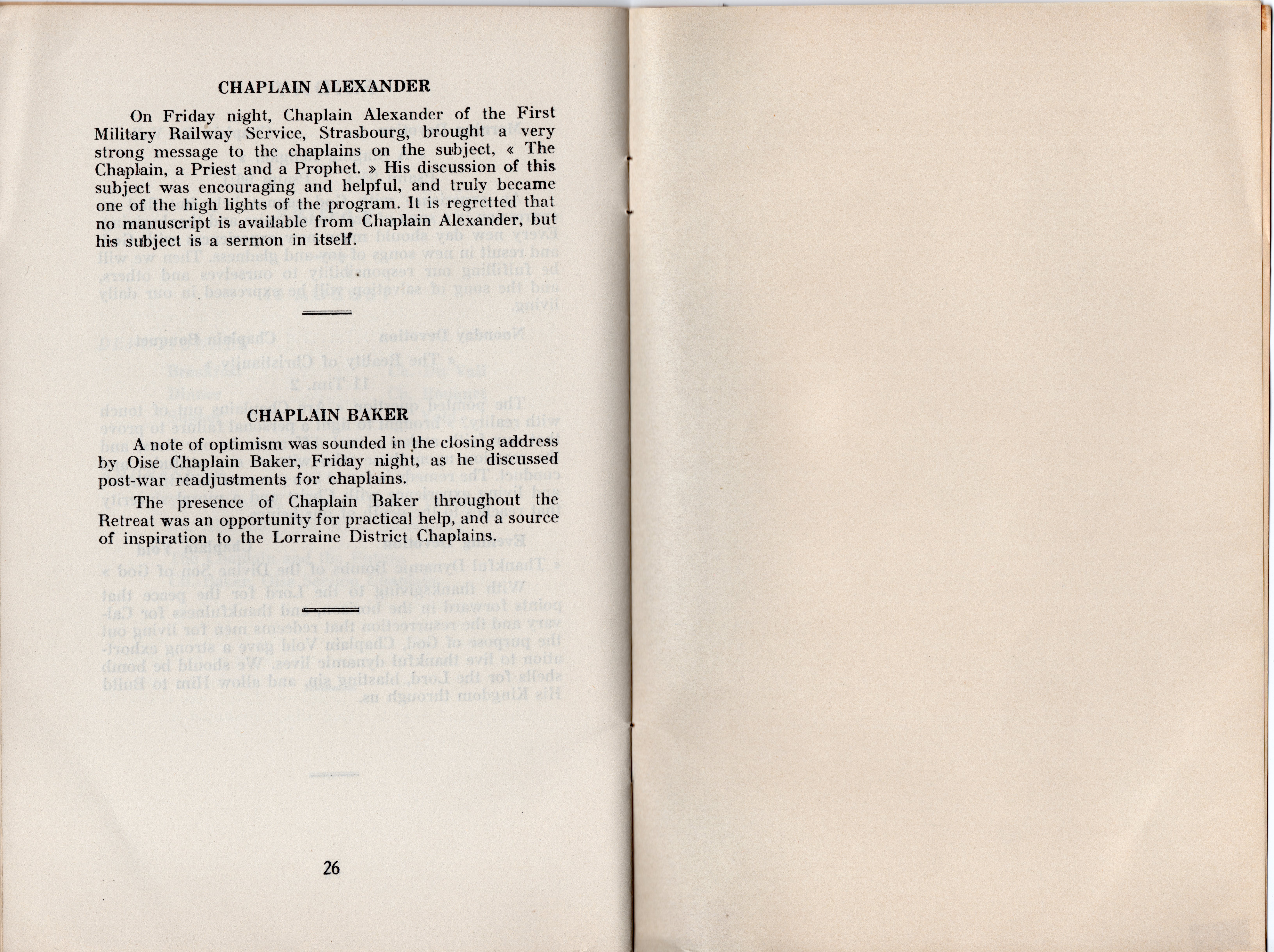
.
 This booklet belonged to Chaplain R. P. Canis who led the singing at the retreat and also one of the daily devotions. Chaplain Canis was a veteran of both World War 2 and the Korean War, being assigned to the 1st Cavalry Division in Japan when the Korean War broke out and was in Korea for the defense of the Pusan Perimeter at the Battle of Taegu in August 1950. I received this booklet from Chaplain Canis’ daughter.
.
.
.

WW1 British Chaplain Encounters Suicide
Told by the Padre-‘Off Duty’
by John Ayscough
(Monsignor Bickerstaffe-Drew, Chaplain to the Forces)
BEHIND the line -far behind the line- the Norman sea-port, crouched in a rift of the white rampart of tall cliffs, was full of English soldiers. There was no French garrison, though there was a depot of Belgian troops, but the whole town was crowded with hospitals for French wounded, and, of afternoons, one met their convalescents everywhere.
The coast-line facing England was so like ours that one could not but believe in a prehistoric day when between these coasts no dividing channel lay. And the downlands, topping the white walls of chalk were like our Sussex Downs. Turning inland from the falaises to a hamlet, cowering in its twisted combe from the north-east winds, one could scarce help a sense of surprise to hear French in the mouths of the stocky, grey-eyed fisherfolk and peasants.
SOMETIMES, in the sunny, windy afternoons of those March days, the English chaplain (only here for a few weeks) would walk along the ragged strand under the high, staring, white falaises. But he liked the downs at the top of them better; the great height above the sea gave a wider outlook and made them more cheerful, and the walking was more pleasant, for down below between cliff and tide there lay no stretch of smooth sand, but a floor of rock, sharp and uneven. At the top, close to the brink of the precipice, ran a level path, often broken and interrupted for a dozen feet, where rain and frost had rotted out a bulk of chalk and hurled it down to the shore. In one place a stile, held up -and not to be so held up for long- only by the posts on its landward side, hung out over the cliff’s edge. Yet, in the direction of the town, the path still ran up to within a few inches of it. On the other side three yards of the path had gone down.
ON one of those afternoons of brisk gale and bright but chill sunshine, the English priest was walking by the strand, intending to come back by the way above, towards the hamlet we may call Port-au-Vent, consisting of a score of fishermen’s cabins, a double score of summer villas, all shut up now, and a huge hotel, now a hospital for French wounded.
.
.
.

Today’s Chaplain Doesn’t Just Punch Your Ticket
This is a rather long article that appeared in Soldiers magazine, April 1974. It gives a picture of chaplain ministry as it was recognized during the Vietnam War, including issues like endorsers, quotas, minorities in the chaplaincy (women and blacks), education, roles and civilian vs. military clergy. It was highlighted on the cover, with the tagline, “Today’s Chaplain Doesn’t Just Punch Your Ticket.”
.
Meeting Needs-
The Chaplain Today
Story and photos by SFC D. Mallicoat
 Be shepherds of the flock of God that is among you, not as though you had to but of your own free will, not from motive of personal profit but freely, and not as domineering over those in your charge but proving yourselves models for the flock to imitate. -1 Peter 5:2-3, Williams Trans.
These words penned centuries ago could well serve as a guide for today’s Army chaplains. Voluntary personal involvement seems to be their credo. And with critics on every side, both within and without the church structure, the task becomes even more difficult. It takes a special breed of man or woman to accept such responsibility.
.
.
Continue reading this article by clicking here . . .
.
.
.




 The Chaplain Kit